Thursday 22 / October / 2026
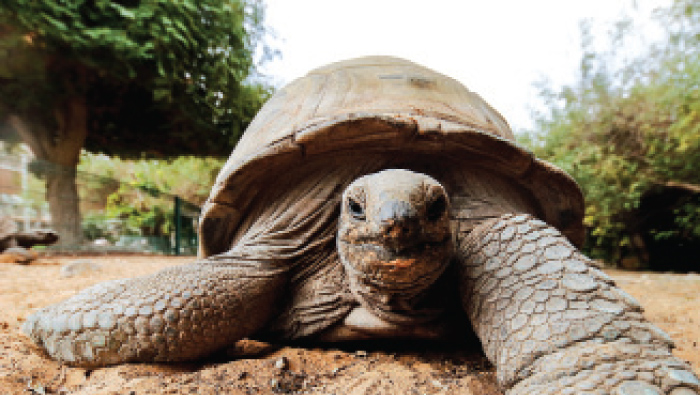
MUSCAT: You don’t need a long-haul flight to Africa to come face-to-face with giraffes, watch cheetahs run or wander alongside lemurs. A short road trip from Oman unlocks a world of wildlife at Al Ain Zoo, one of the Middle East’s largest and most immersive zoological destinations. Located just 350 kilometres from Muscat, Al Ain Zoo offers Omani citizens and residents an unforgettable wildlife escape—perfect for families, nature lovers and weekend explorers seeking something beyond the usual city break.Home to nearly 4,000 animals, the zoo is accredited by the Association of Zoos & Aquariums (AZA) as well as the most recent World Association of Zoos and Aquariums (WAZA) accreditation, a mark of international standards in animal care, conservation and education.
From Desert Vision to Global Conservation Hub
Founded in 1968 under the guidance of the late Sheikh Zayed bin Sultan Al Nahyan, the UAE’s founding father and a pioneer of environmental conservation, Al Ain Zoo began with a simple but urgent mission: to protect endangered desert species such as the Arabian oryx and houbara bustard. More than five decades later, that mission has grown into a comprehensive conservation programme supporting endangered species through scientific breeding, rehabilitation, veterinary care and public education. Today, the zoo stands as a sanctuary where conservation meets community engagement.
Hands-On Wildlife Experiences
Unlike traditional zoos, Al Ain Zoo invites visitors to engage. Guests can attend sand cat keeper talks, observe Amur tiger enrichment sessions, encounter reptiles up close or enjoy interactive bird pop-ups and monkey enrichment activities. Each experience is designed to deepen understanding of wildlife behaviour and the importance of protecting vulnerable species—making the visit as educational as it is entertaining.
Into the Wild: Al Ain Safari
The crown jewel of the experience is Al Ain Safari, the world’s largest man-made safari. Set across expansive terrain, the safari allows visitors to witness animals roaming in environments that closely resemble their natural habitats. From African lions and white rhinos to giraffes and African gazelles, the diversity is striking. The safari is also home to African antelopes, multiple species of oryx, eland and lechwe.
Learning Beyond the Exhibits
Beyond animal encounters, visitors can step into the Sheikh Zayed Desert Learning Centre, an architectural and educational landmark within the zoo. Designed by world-class experts, the centre blends interactive exhibits, multimedia displays and immersive storytelling to explore the UAE’s desert ecosystems and biodiversity. Cultural guides, trained extensively in environmental interpretation, offer visitors authentic insights into the region’s natural heritage. Even the building’s design reflects its purpose, with colours inspired by the Arabian oryx, helping regulate temperature while symbolising the zoo’s origins.
Protecting the Planet’s Rarest Species
Speaking to Times of Oman, Saeed Rashed Abdullah Al Zaabi, Senior Animal Keeper, highlighted the zoo’s role in global conservation. “Endangered species at the zoo include the Addax, Scimitar-horned Oryx, Egyptian Vulture, Cheetah, Saker Falcon, Dama gazelle and sand cat,” he said.
A Journey People Won’t Forget
Whether it’s watching a cheetah run, feeding the giraffes or exploring a safari landscape, Al Ain Zoo delivers moments that stay with visitors long after the drive back home. It’s a place to explore, play, discover—and create memories people won’t stop talking about, all just a few hours from Muscat.