Thursday 30 / July / 2026
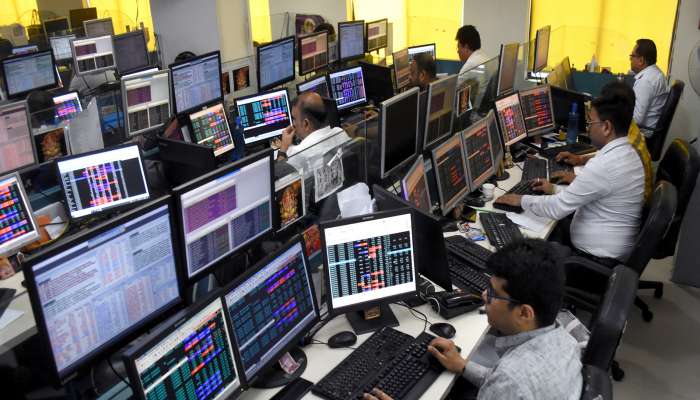
New Delhi: India's macroeconomic outlook remains resilient despite heightened global risk conditions and escalating military tensions in West Asia. According to a report by Shriram Wealth, while immediate market volatility persists, India's strong foreign exchange reserves of over USD 700 billion and manageable trade deficits provide a significant buffer against external shocks.
"India's overall macros - forex reserves ($700bn+), manageable trade & current account deficits, low inflation & interest rates, contained fiscal deficit - are in a fairly strong position providing resilience to the broader economy," the report said.
As per the report, the financial impact has been immediate, with the Nifty 50 declining and the Rupee weakening. Crude oil prices surged by 8.10 per cent following the "unofficial stoppage of oil shipping in the strait of Hormuz by Iran."
Domestically, sectors reliant on crude-linked inputs, such as chemicals, paints, and aviation, are facing margin pressures.
The Reserve Bank of India's baseline assumptions for the second half of FY26 include an average crude oil price of USD 70 per barrel and an exchange rate of 88 INR/USD. Shriram Wealth suggests that a 10 per cent rise in oil prices could "drive inflation higher by 30 bps, and growth lower by 15 bps."
Additionally, a 5 per cent depreciation of the rupee could increase inflation by 35 bps. However, the report noted, "We believe that depreciation in INR is likely to be capped on account of RBI FX intervention. Additionally, reversal of ongoing tensions should help the local currency stabilize. Based on these assumptions, we noted limited upside risks of oil prices to domestic inflation and growth outlook."
Historical data from past geopolitical shocks suggests that while markets typically experience an average decline of 3.5 per cent to 5.1 per cent in the first month, they often show "long-term resilience, with a consistent pattern of market recovery and growth over a six-month horizon."
The report highlights that "the 6-month trajectory remains overwhelmingly positive" across tracked historical events. Although tensions may last longer than previous conflicts, the report expects they "could ease over the next five to six weeks."
The West Asian regional instability has direct implications for India. "With nearly 9mn Indians residing in the Middle East - contributing ~38% of India's total remittances - the region holds strategic importance for India. It also accounts for ~15% of India's exports and ~21% of imports, with the UAE, Iraq, and Saudi Arabia forming the core of bilateral trade flows," the report stated.