Sunday 18 / October / 2026
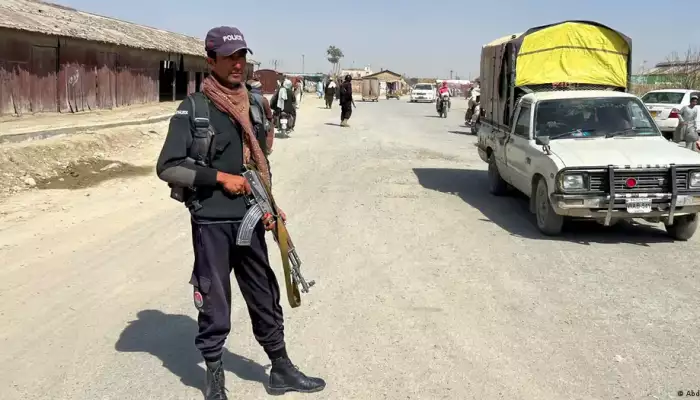
Pakistan carried out new strikes on Kabul and border provinces overnight from Thursday to Friday, according to Afghan authorities.
Khalil Zadran, the spokesman for Kabul police, said four people had been killed and 15 wounded in the bombardment that hit homes in the capital, according to the AFP news agency.
Taliban spokesperson Zabihullah Mujahid posted on X that Pakistani strikes also hit the southern province of Kandahar as well as eastern Paktia and Paktika, which border Pakistan.
In a separate post, Zabihullah said that Pakistani aircraft targeted fuel depots of private airline Kam Air near Kandahar Airport.
Pakistan at 'open war' with Taliban
Following months of escalating tensions between the two countries and intense cross-border clashes, Pakistan declared open war on neighboring Afghanistan on February 27, accusing the Taliban of sheltering terrorists.
"Our patience has run out," Pakistan Defense Minister Khawaja Asif said at the time.
The Taliban government has denied any involvement or the use of Afghan territory for militancy.
Since declaring "open war", Pakistan has "targeted Taliban military facilities in Kabul, including ammunition depots, as well as sites in Kandahar, Paktia, and other provinces," notes Pakistan journalist Umair Jamal in an analysis for Eurasianet.
"Notably, these strikes included direct attacks on urban centers for the first time," he said.
However, in the days before these latest attacks, neither side had reported any Pakistani air strikes on Afghanistan.
Ground fighting along the 2,600-kilometer (1,600-mile) border between the two nations had also tapered off.
Fighting in Afghanistan piles 'misery on misery': UN
UN Human Rights Chief Volker Türk last week implored both Pakistan and Afghanistan to immediately end the fighting.
"Civilians on both sides of the border are now having to flee from airstrikes, heavy artillery fire, mortar shelling and gunfire," Türk said in a statement released on March 6.
The violence in Afghanistan is also making it harder for the UN to distribute aid, Türk said.
Nearly 22 million people, nearly half of Afghanistan's population, require humanitarian assistance.
"This is piling misery on misery," Türk said.
Up to 66,000 people had been displaced in Afghanistan as a result of the latest fighting, the UN said last week.
Taliban-Pakistan fighting fuels Afghan refugees' fears