Saturday 05 / September / 2026
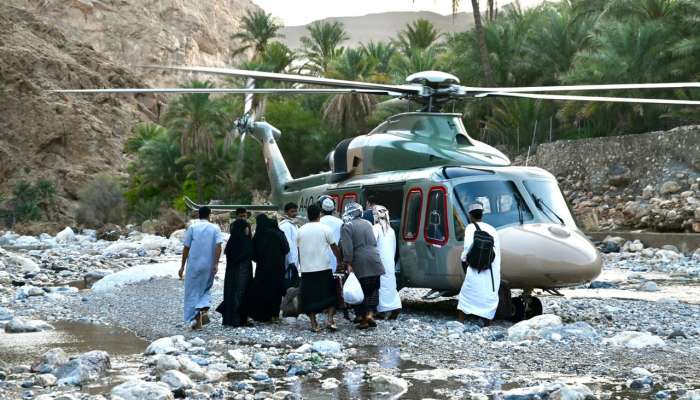
Muscat: Various sectors of the National Emergency Management Committee carried out extensive and integrated efforts during the Sultanate of Oman’s exposure to the weather system known as Depression of Al-Masarrat. The operations were conducted within a unified national framework aimed at protecting lives and property while ensuring the continuity of essential services across affected governorates.
As part of early preparedness measures, the Committee activated the National Response Plan through the National Emergency Management Center. This proactive step included continuous monitoring of weather reports, analyzing data related to the developing situation, and raising the level of readiness across military, security, civil, and service sectors. It also ensured the readiness of search and rescue teams to respond swiftly and effectively, with the goal of minimizing the potential impact of the weather conditions on both lives and property.
Search and rescue teams, represented by the Royal Oman Police and the Civil Defence and Ambulance Authority through the Search and Rescue Sector, responded to a total of 269 reports during the weather event. These operations resulted in the rescue and evacuation of 504 people.
The Royal Oman Police Air Wing conducted 38 sorties, through which it carried out 58 rescue and medical evacuation operations, in addition to transporting supplies. The air wing also maintained continuous aerial surveillance of areas directly affected by the weather system. Meanwhile, the Royal Air Force of Oman conducted six sorties dedicated to rescue and medical evacuation missions.
Within the health sector, institutions under the Ministry of Health received 18 patients who were evacuated by air via the Royal Oman Police and the Royal Air Force of Oman. The Medical Response and Public Health Sector also worked to identify and allocate alternative hospitals and health centers to ensure the continuity of medical services in areas impacted by the weather conditions.
The Relief and Shelter Sector demonstrated high efficiency in crisis management by identifying 215 shelter centers across various governorates expected to be affected by the low-pressure system. Of these, 64 centres were fully equipped with essential supplies. A total of 539 individuals benefited from shelter services provided during the event.
The Basic Services Sector ensured the continuity of essential services such as electricity, water, telecommunications, and municipal operations. Teams addressed service outages, repaired faults, managed minor structural damages, and removed debris from roads. Several roads affected by overflowing wadis were temporarily closed, while alternative routes were opened. Traffic was also organized in areas experiencing water accumulation, with police patrols deployed to maintain road safety.
The Media and Public Awareness Sector, operating through the Joint Media Center, contributed significantly to public safety by disseminating alerts and warnings via various media outlets and social media platforms. It also highlighted national response efforts, helping to raise public awareness and reduce potential risks.
These coordinated efforts were the result of close collaboration among military, security, and civilian agencies, operating in a unified and integrated manner. This teamwork contributed to mitigating the effects of the weather conditions and ensuring a rapid and effective emergency response across the Sultanate.
The National Emergency Management Committee reaffirmed that preparedness, advance planning, and strong community cooperation are key elements in managing such weather events. The Committee also praised the cooperation of citizens and residents, noting that their compliance with safety instructions and guidelines played a major role in reducing risks and supporting national response efforts.