Monday 28 / September / 2026
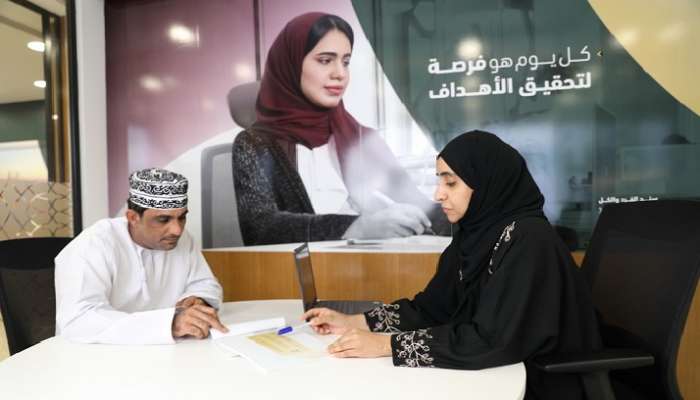
Muscat: Data released by the GCC Statistical Centre (GCC-Stat) establishes the GCC member states as a leading regional and international model for social protection. This model successfully integrates social justice with economic efficiency, underscoring the principle that investment in human capital is the most reliable foundation for achieving stability, prosperity, sustainable development, and a more inclusive, cohesive Gulf society for generations to come.
The Centre's report, "The Reality and Policies of Social Protection in the GCC Countries," details the Council's superior performance across key global social welfare indicators. All GCC states are ranked in the "Very High Human Development" category by the 2025 Human Development Index, highlighting their significant advancements in health, education, and quality of life.
Furthermore, the 2025 Social Progress Index shows the GCC surpassing the global average, a clear testament to its leadership in promoting holistic human well-being and comprehensive development.
The economic strength underpinning this social model is evident. The average per capita GDP in the GCC during 2024 was approximately three times the global average. All member states also placed within the top six regionally (West Asia and Africa) in the Global Competitiveness Index, demonstrating robust economies capable of financing extensive social safety nets with substantial levels of public expenditure.
A cornerstone achievement is universal access: 100 percent of the GCC population is guaranteed education, healthcare, clean water, and electricity, reflecting both the comprehensiveness of social policy and the efficacy of public service infrastructure.
Government spending on social protection across the GCC ranged from 19.2 to 22.9 percent of total expenditure in 2022. This underscores a strategic commitment where investment in citizens is viewed not as a fiscal burden, but as a fundamental driver of economic growth and societal stability.
The GCC's social protection systems provide comprehensive coverage throughout an individual's life. Starting from birth, with a 100 percent civil registration rate for children under five (compared to 77.2 percent globally), the systems extend through working life with unemployment, work-injury, and parental benefits, and into retirement through mandatory, generous pension schemes that offer replacement rates reaching up to 100 percent of contributory salary in some states.
The scale of these systems is vast, with over 15 million insured individuals, nearly 985,000 pensioners, and more than 497,000 heirs and beneficiaries. Annual insurance payouts exceed $31 billion, illustrating their profound economic and social impact.
A standout feature of Gulf integration is the "Extension of Insurance Protection" initiative. By 2023, approximately 34,000 GCC citizens were enrolled in pension and social insurance systems outside their home countries—a growth of over 330 percent since 2007—showcasing the tangible success of the GCC Common Market in safeguarding the social rights of its citizens across borders.
Despite these advances, the report identifies ongoing challenges, including demographic shifts, ensuring the long-term financial sustainability of welfare systems, closing remaining coverage gaps, improving benefit adequacy, and strengthening institutional coordination and data integration. Recommendations call for developing more inclusive and sustainable systems, diversifying funding sources, and establishing a GCC-wide unified information system to enhance impact measurement and evidence-based policymaking.
The report is aligned with the GCC's Comprehensive Development Strategy (2010–2025), which envisions a prosperous, secure, and cohesive society grounded in human dignity. This vision is operationalized through supporting strategies such as the Labour and Workforce Strategy, the Civil Service and Human Resources Development Strategy, the Unified Population Strategy, and the Joint Gulf Work Strategy for Women's Affairs.