Wednesday 15 / April / 2026
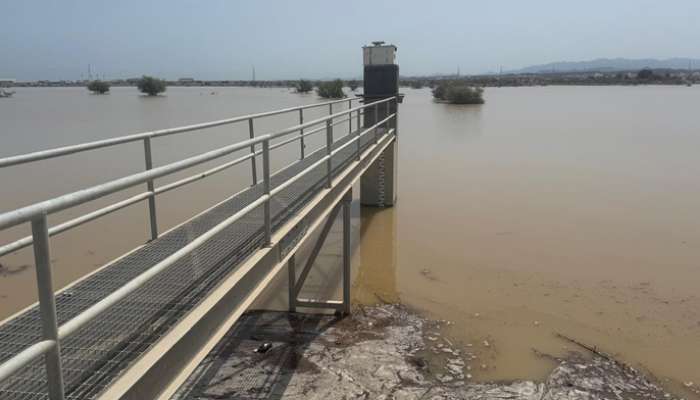
Muscat: A network of dams across South Al Batinah Governorate is playing a crucial role in enhancing water security, reducing runoff to the sea, and building strategic reserves to be used during drought periods.
The dams have become a cornerstone of the Sultanate’s water management strategy, helping recharge groundwater resources that farmers heavily rely on. They also reflect a broader national effort to integrate traditional systems like the aflaj with modern infrastructure, creating a sustainable and resilient water ecosystem.
Authorities note that the dams have significantly contributed to reviving aflaj systems by raising groundwater levels. As reservoirs fill, water gradually returns to aflaj channels, improving flow, minimizing waste, and ensuring water availability for future generations.
The governorate is home to 10 dams, including key projects such as Wadi Al Far’a Dam, which supports groundwater recharge and nearby farms; Wadi Al Ma’awil Dam, which protects communities and agricultural land from flooding; and Wadi Mistal Dam, which helps irrigate mountain farms. Other important dams include Wadi Bani Kharous Dam and Wadi Ta’am Dam, both of which enhance water resources in surrounding areas.
According to Engineer Ahmed bin Ibrahim Al-Issai, Director of the Water Resources Department in the governorate, the dams are designed to recharge groundwater, improve water quality, and protect infrastructure and communities from flooding. He emphasized their importance in supporting agriculture, strengthening food security, and conserving rainwater that would otherwise be lost to the sea.
The total storage capacity of the dams is estimated at around 25 million cubic metres. Water levels are continuously monitored using advanced gauges, with controlled releases managed in coordination with specialists to ensure safety during heavy rainfall. The dams are also engineered to handle extreme flood conditions through dedicated spillways.
To maintain water quality, water collected in reservoirs is left to settle for three days after storms, allowing sediment to sink before being released to recharge groundwater. Silt removal is carried out regularly, with opportunities for individuals and institutions to benefit from the accumulated material under ministry regulations.
The Ministry of Agricultural Wealth, Fisheries and Water Resources continues to conduct periodic maintenance and has equipped many dams with modern hydrological monitoring systems to ensure efficiency and accuracy.
Looking ahead, the ministry is undertaking a consultancy study on flood risk management in both North and South Al Batinah. The findings, expected later this year, will help determine the number of additional dams needed to further strengthen the region’s resilience to extreme weather events.