Tuesday 20 / October / 2026
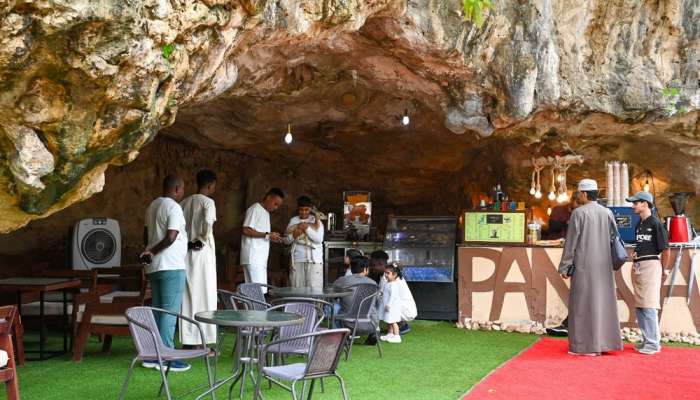
MUSCAT: Oman’s diverse governorates offer promising investment opportunities for young entrepreneurs, with local cultural heritage, natural landscapes, agricultural resources and seasonal tourism providing a foundation for innovative businesses that support economic diversification and job creation.
Entrepreneurs and business leaders say young Omanis can transform these local advantages into sustainable ventures by identifying market needs, making effective use of government support programmes and building strong business models capable of long-term growth.
Shatha bint Nasser Al-Subhi, CEO of Manfath Design and Programming, said Oman’s geographical and cultural diversity creates favourable conditions for youth-led investment projects tailored to the characteristics of individual governorates.
She cited the development of the Al-Aqr neighbourhood in Nizwa under the World Heritage project as an example of transforming traditional buildings into modern tourist destinations while preserving their architectural identity.
Such initiatives can create opportunities for young people to establish businesses in tourism, hospitality and related services. Desert tourism also offers potential through campsites and rest areas that showcase Oman’s sand dunes and provide visitors with distinctive winter experiences.
Al-Subhi highlighted the potential of mountain and rural tourism, particularly through combining agricultural activities with visitor experiences. Rose and pomegranate harvest seasons in the mountainous areas can be linked to fruit-picking activities, local product marketing and accommodation overlooking scenic landscapes.
Seasonal tourism remains another promising area for investment, with events and attractions such as Khareef Dhofar, the rose harvest in Jabal Akhdar, desert tourism in Bidiyah and mountain tourism in Al Hamra creating opportunities for accommodation providers, caravan rentals and other hospitality services.
She also identified leisure tourism as an area for development, including mountain resorts, hiking trails, restaurants and cafes that capitalise on Oman’s varied natural environment. Agriculture presents further opportunities through cultivating crops with seasonal and year-round demand and marketing products directly to consumers.
Government support and market awareness
Mohammed bin Nasser Al-Mundhiri, founder and CEO of Ruwad Al-Itqan, stressed the importance of making effective use of the support available to entrepreneurs through government institutions and business development programmes.
He highlighted financing opportunities offered by the Small and Medium Enterprises Development Fund and Oman Development Bank, alongside training and consultancy services provided by the Small and Medium Enterprises Development Authority (Riyada).
Business incubators and accelerators also help entrepreneurs access technical and administrative guidance, connect with investors and experts, and strengthen their capacity to develop viable businesses.
Simplified licensing procedures and government procurement opportunities can further support small and medium enterprises in securing contracts and expanding their operations.
Al-Mundhiri emphasised that government support should serve as a catalyst for business growth rather than a substitute for understanding market conditions.
He said entrepreneurs need to conduct continuous market research, analyse competitors, assess customer satisfaction and seek specialised advice. Support programmes should be translated into practical business plans with clear objectives, performance indicators, cash-flow projections and governance structures.
Building partnerships with public and private sector organisations is also essential to turning initial assistance into sustainable growth and reducing dependence on temporary support.
Perseverance and effective management
Khadija bint Nasser Al-Abri, founder of Shuaa Al-Fikr Foundation, said practical experience, passion and determination were among the main factors that encouraged her to establish her business.
She identified access to capital as one of the biggest challenges at the outset, while noting that management remains a major factor affecting the development and continuity of a project.
Al-Abri said overcoming difficulties strengthens entrepreneurs’ determination and encourages them to persevere when challenges arise. Effective management, coordination among stakeholders and the ability to organise different aspects of a business are essential to building resilient enterprises.
She added that persistence, repeated attempts and sound management practices help entrepreneurs develop sustainable business models capable of adapting to changing circumstances.
From individual ventures to industrial growth
Khalid bin Abdullah Al-Hosni, CEO of Tatronic Middle East Technical Services, said entrepreneurship should be measured not only by an individual’s success but also by its contribution to the national economy and society.
He explained that his ambition in the plastics sector developed into a broader effort to build an organisation supported by effective systems, a capable team and shareholders, rather than one dependent entirely on the entrepreneur.
Research and development became an integral part of the company’s approach, enabling it to develop products and solutions for infrastructure requirements, improve the quality of locally manufactured goods and move beyond simply replicating existing products.
Al-Hosni said the company’s success in competing for the title of Best Entrepreneur in Oman and winning the award for Best Medium-Sized Industrial Company marked an important milestone, while creating greater responsibility to expand and keep pace with international developments.
He added that the business contributes to creating employment opportunities for Omani youth, strengthening local supply chains and supporting the objectives of Oman Vision 2040 in economic diversification and the development of national industries.
Al-Hosni said businesses seeking to expand must demonstrate stable products, sustained growth and a clear operational and financial model. They also need capable leadership teams and organisational systems that allow operations to continue without the entrepreneur’s direct involvement in every detail.
Expanding into new markets requires a business to demonstrate that its products and services can compete beyond its immediate geographical area.
The experiences of Omani entrepreneurs highlight the importance of combining local resources with innovation, market knowledge, government support and effective management. By building on the distinctive strengths of each governorate, young Omanis can develop sustainable enterprises that create jobs, strengthen local economies and contribute to the country’s long-term development goals