Saturday 18 / April / 2026
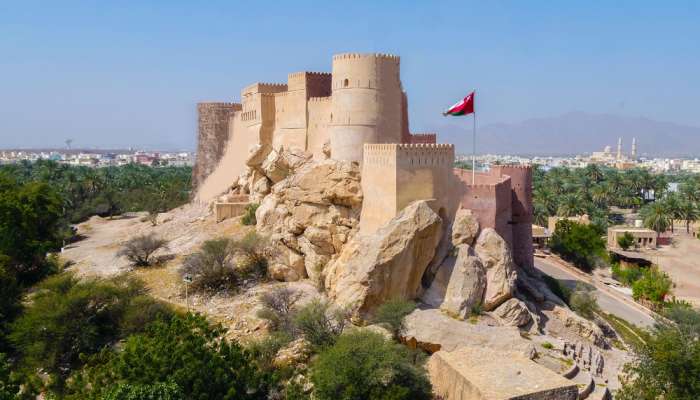
Muscat: The Sultanate of Oman joined countries worldwide in celebrating World Heritage Day on April 18, held this year under the theme “Emergency Response for Living Heritage in Times of Conflicts and Disasters.”
The theme underscores global efforts to safeguard both tangible and intangible cultural heritage amid rising threats from conflicts and natural disasters. It calls for strengthening rapid response mechanisms to protect historical sites, traditions, and customs, while supporting communities in preserving their cultural identity during crises.
Eng. Ibrahim bin Said Al-Kharousi, Undersecretary of the Ministry of Heritage and Tourism for Heritage, said the occasion highlights heritage as the “living memory” of nations and a source of pride and identity. He noted that preserving heritage not only reinforces national values and traditions but also contributes to the growth of cultural tourism and sustainable development.
Al-Kharousi affirmed that Oman has successfully engaged local communities as key partners in heritage management and conservation, aligning with guidelines set by UNESCO. These efforts demonstrate the sector’s potential as a driver of sustainable development.
Coinciding with the celebration, the Ministry announced results from its 2025/2026 archaeological survey and excavation program, which included 32 projects across Oman in collaboration with experts and institutions from over 11 countries. Advanced technologies such as artificial intelligence, photogrammetry, and geophysical surveys were employed to document and digitally preserve sites.
The research spanned historical periods from the Paleolithic era to Islamic times. Key discoveries included a fortified settlement dating back to the third millennium BCE at the Al-Shakour site in Dhank, uncovered by an Italian mission from Sapienza University. In Al Dhahirah Governorate, additional work by Polish and French teams focused on Iron Age hilltop sites and the Al-Aredh site in Ibri.
In Dhofar Governorate, eight research programs examined coastal and inland settlement patterns, with missions from Italy, France, and other countries uncovering new archaeological sites and rock art. Meanwhile, in North Al Sharqiyah, excavations at Al-Khashbah revealed one of Oman’s largest Neolithic sites, dating between 5500–4000 BCE.
Further projects in South Al Batinah, Al Wusta, Al Dakhiliyah, and Musandam explored trade routes, ancient irrigation systems, and settlement dynamics. In Muscat, a Dutch mission uncovered a Neolithic shell midden site at Khor Al-Milh in Quriyat, offering insights into early coastal life.
The programme also focuses on building national expertise by involving Omani students and Ministry staff in fieldwork, while preparing archaeological sites to become sustainable cultural and tourism destinations.
Sayyid Nouh bin Mohammed Al-Busaidi, Chairman of the Omani Historical Association, emphasized that heritage remains a unifying force for humanity and praised UNESCO’s role in preserving global culture. He noted Oman’s significant contributions to world heritage and ongoing efforts to raise cultural awareness.
Mohammed bin Said Al-Hajri, Chairman of the Social and Cultural Committee at the State Council, highlighted that a nation’s strength lies in its connection to its history. He described heritage as a form of soft power that enhances resilience and identity, stressing the need for continued efforts to preserve traditions and strengthen social cohesion amid evolving challenges.